
The best paint finish for a high-traffic room usually balances washability, appearance, and the condition of the wall. Satin is often a practical choice for busy hallways, family rooms, kitchens, and entryways because it handles regular cleaning without the stronger shine of semi-gloss. Eggshell can work well when you want less reflection, while semi-gloss is often better suited to trim, doors, and surfaces that get touched or wiped frequently.
For Milwaukee homes and businesses, the decision can become even more practical. Entryways deal with wet coats, road salt, slush, pet traffic, fingerprints, and bags brushing against walls. Busy interior spaces need a finish selected for how the room is actually used, not just how the paint chip looks under store lighting.
What Paint Finish Is Best for High-Traffic Walls?
For many high-traffic walls, eggshell and satin are the first finishes worth considering.
Eggshell has a softer appearance and less reflection. It can work well in living rooms, dining spaces, offices, and other areas that get regular use without constant cleaning.
Satin has slightly more sheen and is commonly chosen for hallways, family rooms, kitchens, children’s rooms, and entryways. It tends to be easier to wipe clean than flatter finishes, making it useful where fingerprints, scuffs, and daily wear are more likely.
Semi-gloss provides even more shine and is commonly used on doors, baseboards, trim, and other surfaces that receive frequent contact. Putting semi-gloss on every wall simply because the room is busy can create more reflection than you want and make wall flaws easier to notice.
A useful rule is to think about both traffic and contact. A room can have plenty of foot traffic without people regularly touching its walls. Another room may get less foot traffic but have door frames, corners, and lower walls that are constantly bumped or handled.
Start With What Actually Happens in the Room
Room labels only tell part of the story.
Two hallways can need very different finishes. One may connect quiet bedrooms and rarely get dirty. Another may run from the garage into the kitchen, where backpacks, groceries, pets, muddy shoes, and winter coats pass through every day.
Before selecting a finish, consider:
- How often will the walls need to be wiped down?
- Are children or pets regularly using the space?
- Do people touch the walls when turning corners or using stairs?
- Could chairs, bags, carts, or furniture rub against the surface?
- Does the room have strong natural or artificial light?
- Are the walls smooth, textured, patched, or older?
Those details give you a better answer than automatically choosing the highest sheen available.
Why Isn’t the Shiniest Finish Always the Best?
Higher sheen usually makes a painted surface easier to clean, but it also reflects more light. That reflection can highlight dents, drywall patches, texture changes, roller marks, and other imperfections.
That tradeoff matters in older Milwaukee-area homes where walls may have been patched, painted several times, or altered during previous renovations.
A satin finish may give a busy hallway enough cleanability without making every surface variation stand out. An eggshell finish may be preferable in a well-lit family room where a softer appearance matters more. Semi-gloss may still be the stronger choice for the baseboards and doors in those same rooms.
Sherwin-Williams recommends considering traffic, lighting, surface imperfections, and performance expectations when choosing sheen. It also notes that newer coating technology can provide strong washability at lower sheen levels. Their sheen guide provides a useful comparison of common finishes.
This is why sheen should not be treated as a durability scale where shinier automatically means better.
Wall Condition Can Change the Right Choice
The wall underneath the paint deserves just as much attention as the coating going over it.
Higher-sheen finishes tend to reveal surface irregularities because they reflect more light. Lower-sheen coatings can make minor imperfections less noticeable.
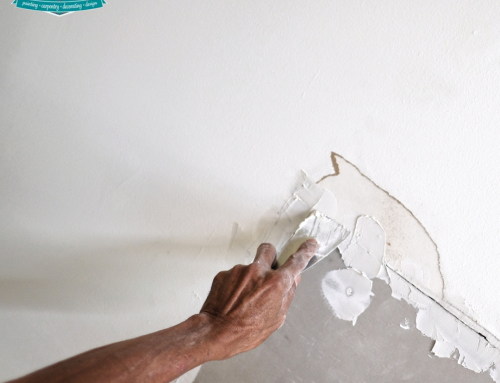
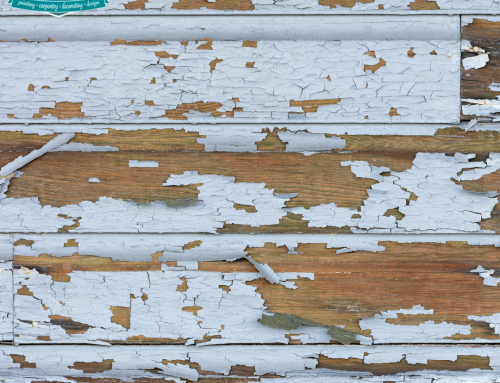
If walls have nail holes, cracked areas, old patches, uneven texture, or previous damage, prep work may affect the final appearance more than moving up one sheen level.
OCS Contracting Services handles drywall services for residential, commercial, and industrial properties, including installation, taping, finishing, and several texture options. Addressing those issues before painting gives the new coating a better surface to work with.
This becomes especially important in hallways and other areas where light travels across the wall instead of hitting it straight on. Side lighting can make even small texture changes easier to see.
Which Finish Makes Sense for a Milwaukee Entryway?
An entryway needs to handle a different kind of wear than most bedrooms or living rooms.
Milwaukee winters can mean wet boots, melting snow, road salt, damp clothing, and pets coming in from outside. Walls near doors may also collect fingerprints, marks from bags, and grime around switches or corners.
For many entryways, satin is worth considering because it combines moderate sheen with practical cleanability. Eggshell may still work when the walls receive less direct contact and the homeowner wants a softer appearance.
Doors, trim, and baseboards can be treated differently from the walls. These smaller surfaces usually see more direct contact and may benefit from a more washable finish.
This mix-and-match approach often makes more sense than painting every surface in the room with the same sheen.
Should Walls, Doors, and Trim Use the Same Sheen?
Usually, they do not need to.
Walls cover large visual areas, so too much shine can change how the entire room feels. Doors and trim occupy smaller areas but usually deal with more hands, shoes, vacuums, furniture, and cleaning.
A common combination might use:
- Eggshell or satin on the walls
- Semi-gloss on doors
- Semi-gloss on baseboards and trim
The specific combination can change with the coating being used and the look you want.
Cabinets are another surface where coating choice deserves separate consideration. OCS provides cabinet refinishing using controlled spray finishing and professional cabinet coatings rather than treating cabinetry like another painted wall.
What About Paint Finish in Busy Commercial Interiors?
Commercial spaces can make finish selection more complicated because traffic and cleaning patterns are different from those in a home.
Office corridors, waiting areas, retail spaces, common areas, and workspaces may experience repeated contact throughout the day. Some walls are frequently touched, while others mainly need to hold up visually under bright lighting.
The right finish depends on where wear actually occurs.
A reception area with strong lighting may benefit from less reflection on its large wall surfaces. A corridor that regularly picks up marks may need greater washability. Doors, trim, utility areas, and other frequently handled surfaces can call for a different coating again.
OCS works on residential as well as commercial projects, including offices, warehouses, manufacturing facilities, and other business properties throughout Southeast Wisconsin.
That means finish decisions can account for the demands of the property instead of relying on one recommendation for every commercial wall.
Don’t Choose Sheen Without Looking at the Lighting
Lighting changes how much sheen you actually see.
A satin wall across from large windows may appear noticeably more reflective during the day. The same finish in a darker hallway can look much softer. Bright overhead lights may also reveal texture, patches, and other differences in the surface.
Paint samples are useful, but testing them on the actual wall gives you more information than looking at a small sample by itself.
Check the sample during the day and at night. Look at it from several angles. Pay attention to how light travels across the wall.
That step can prevent choosing a finish that looks good on a sample card but feels too shiny once it covers an entire room.
Does Paint Quality Matter as Much as Sheen?
Yes. Sheen is only one part of coating performance.
Two satin paints can behave differently depending on their formulation. Washability, stain resistance, coverage, and durability can vary between product lines.
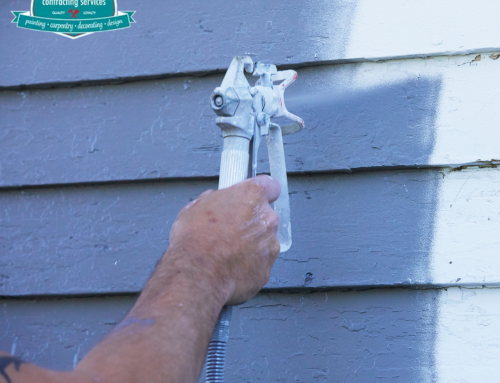
OCS uses Sherwin-Williams and Benjamin Moore products for interior painting projects, and its FAQ states that high-quality zero-VOC acrylic paint is used for interior painting.
That is another reason to choose the coating and sheen together rather than deciding that every high-traffic room automatically needs semi-gloss.
Choose a Paint Finish Based on the Room, Not a Rule
The best paint finish for a high-traffic room depends on what touches the surface, how frequently it needs cleaning, how much light it receives, and what condition the wall is in.
Satin is often a useful middle ground for busy walls. Eggshell can provide a softer appearance where contact is moderate. Semi-gloss often makes more sense on doors, trim, baseboards, and other frequently handled surfaces. The quality and formulation of the paint matter too.
If you are planning an interior painting project in Milwaukee or Southeast Wisconsin, OCS Contracting Services can help you evaluate the walls, prep the surfaces, and choose coatings based on how the rooms are actually used. Learn more about our interior services and request an estimate for your project.