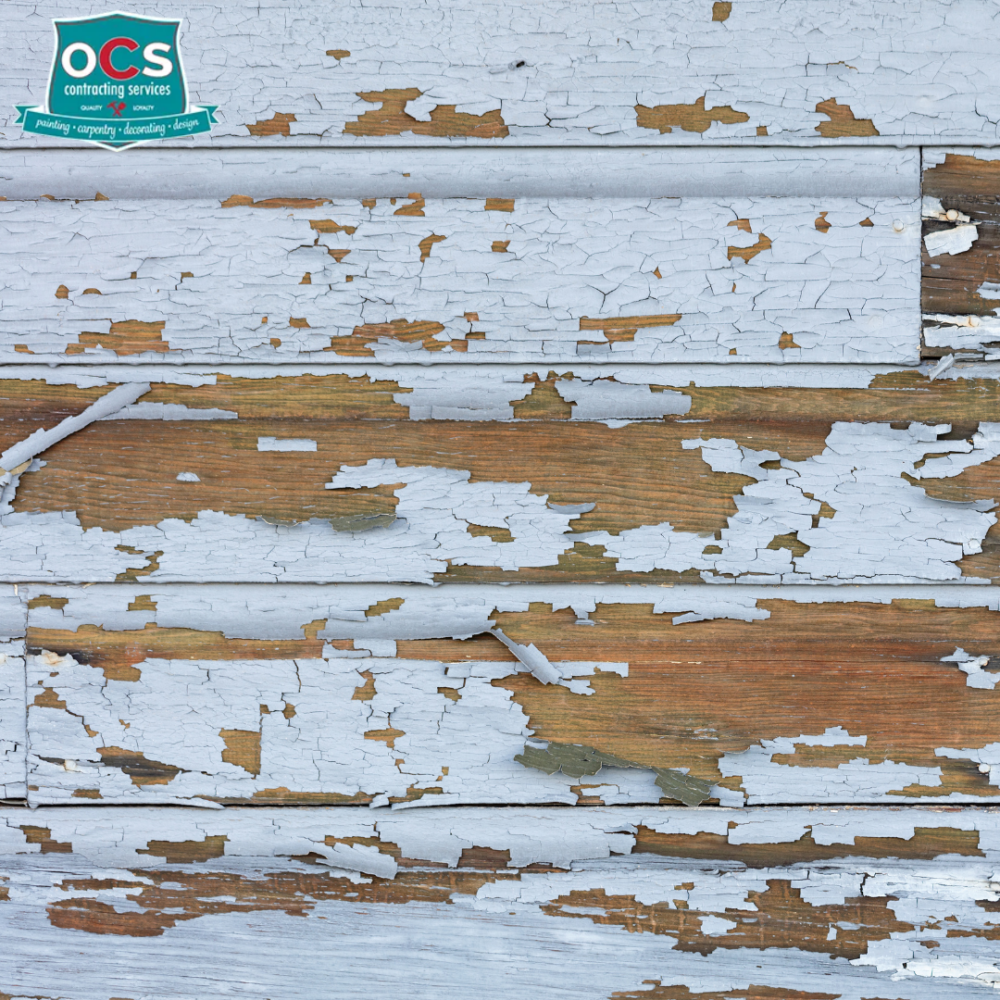
Peeling exterior paint can look like a paint problem when the real issue is underneath the coating. Moisture, loose older paint, poor surface preparation, or changes in the material below can weaken the bond between the paint and the exterior.
That distinction matters in Milwaukee. Homes and commercial buildings go through wet springs, humid summers, freezing winters, and major temperature swings. Exterior siding and trim have to handle those changes year after year. When paint starts releasing from a surface, simply covering the exposed area with another coat may leave the original problem in place.
At OCS Contracting Services, exterior painting involves more than applying a new color. Surface condition and preparation have a direct effect on how the finished coating performs.
What Causes Peeling Exterior Paint?
There is rarely one answer that applies to every peeling wall or piece of trim. The location, pattern, substrate, and condition of the older coating can all provide clues about what happened.
Moisture is one common cause. Water can reach exterior materials through gaps around trim, deteriorated caulk, roof or gutter issues, and other openings. Wood can absorb that moisture and change as it gets wet and dries. When movement occurs underneath a rigid paint film, adhesion can begin to fail.
Sometimes the weak point is an older layer of paint. A new coating can bond well to the layer immediately below it while that older layer is poorly attached to the actual siding. When the weak layer releases, several coats may come off together.
Surface contamination can create a similar problem. Dirt, chalky residue, mildew, and other buildup can interfere with adhesion if they are left on the surface before painting. Painting over a glossy surface that needed additional preparation can also leave the new coating without a strong bond.
The exterior material matters too. Wood siding, fiber cement, aluminum, vinyl, brick, masonry, and stucco each have different surface characteristics. Preparation that makes sense for one material may not be appropriate for another.
The Location of the Peeling Is a Clue
A painter should not look only at how much paint has come off. Where the failure appears can help explain what is happening underneath it.
Peeling directly below windows may call for a closer look at the window trim, joints, and nearby caulk. Repeated failure near a roof edge or gutter deserves attention to how water moves through that area. Paint coming loose close to the bottom of wood siding may have a different cause than isolated peeling high on a sun-exposed wall.
The number of affected paint layers matters as well. If a newer color is coming off while the older coating stays firmly attached, the issue may involve adhesion between coats. If several generations of paint release together and expose the original surface, the weak point may be much deeper in the coating system.
OCS encountered age-related exterior paint wear while completing a recent Milwaukee project. That project involved more than one painted feature, including siding, soffit and fascia, shutters, window frames, and the garage. Looking at the exterior as a whole allowed the different painted surfaces to be addressed together rather than treating the property as a collection of unrelated touch-ups.
That broader view can be important when peeling is appearing in several places. Sometimes the useful question is not, “How do we cover this spot?” It is, “What do these problem areas have in common?”
Why Painting Over the Problem Can Lead to More Peeling
New paint cannot make a loose surface underneath it stable. If deteriorating paint, dirt, moisture, or another adhesion problem remains, the new coating is being applied over the same weak point that caused the previous failure.
Imagine a section where several layers of old paint have started lifting from wood siding. Painting across the edges may temporarily hide the exposed area. The new paint, however, is still attached to old material that is already losing its grip.
Preparation is what separates repainting from simply covering a problem.
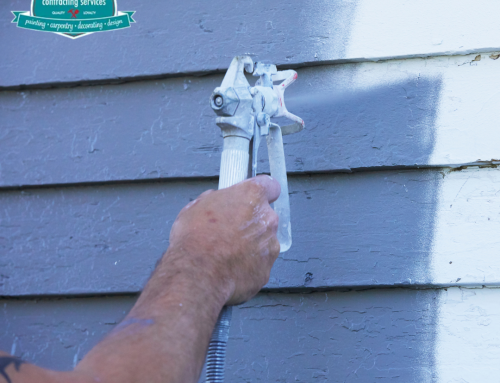
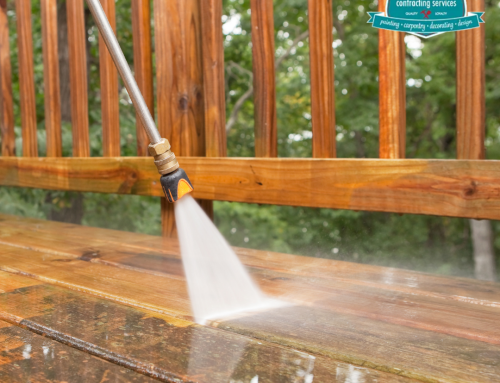
OCS includes surface cleaning and preparation as part of its exterior painting process. Depending on the project, that can include soft washing and other prep needed to create a suitable surface for the coating. Loose areas must be addressed before the finish coats go on.
Bare areas may also require primer, while glossy surfaces can need additional preparation to create better adhesion. The exact process depends on what is being painted and the condition in which it is found.
Milwaukee Weather Can Expose Weak Prep Work
Wisconsin weather does not create every paint problem, but it can reveal weaknesses in an exterior coating system.
A Milwaukee exterior can experience summer heat and humidity followed months later by freezing temperatures, snow, ice, and repeated freeze-thaw cycles. Materials can expand, contract, get wet, and dry throughout the year.
That is one reason OCS uses coatings intended for exterior exposure and works with products from Sherwin-Williams and Benjamin Moore. The coating still needs the right surface beneath it. Premium exterior paint cannot compensate for unstable material or preparation that was skipped.
Weather conditions also matter when the painting itself takes place. Exterior coatings have manufacturer requirements for temperature and application conditions. A surface that is damp or outside the product’s recommended application conditions may not give the coating the start it needs.
The goal is not simply to get paint onto the building. It is to create the conditions in which that paint can properly bond to the substrate.
Older Milwaukee Homes Need Another Consideration
Older houses are common throughout Milwaukee and the surrounding communities, which can add another question when exterior paint is deteriorating.
For homes built before 1978, old painted surfaces may contain lead-based paint. Sanding, scraping, or otherwise disturbing those coatings can create paint chips and dust. The EPA recommends specific lead-safe practices for renovation, repair, and painting work involving older homes.
Property owners with an older home can review current EPA guidance before work begins. The age of the property and the surfaces being disturbed should be considered before aggressive paint removal starts.
This is another reason peeling paint should not automatically become a weekend scraping project. Understanding what is on the building is part of deciding what should happen next.
Prep Work Should Match What the Surface Is Telling You
Good exterior preparation is not one identical checklist used on every building. The condition of the existing paint should help determine what happens before repainting.
A clean, firmly attached coating may need a different level of preparation than a wall with widespread flaking. Bare wood brings different considerations than painted aluminum or masonry. A small isolated failure around a trim joint also tells a different story than entire sheets of old coating releasing from siding.
OCS paints a range of exterior surfaces, including wood, vinyl, aluminum, fiber cement, stucco, masonry, brick, trim, garage doors, shutters, and other exterior features. Looking at the substrate before selecting the prep and coating process helps avoid treating every exterior as though it were the same material.
For qualifying full exterior projects, OCS also offers a 10-year warranty that covers specified paint failures tied to workmanship or product failure. Eligibility depends on the project, approved materials, and the required preparation standards.
That connection between preparation and warranty coverage is worth noticing. A long-lasting paint job starts well before the finish coat is applied.
Stop Peeling Exterior Paint at the Source
Peeling exterior paint is a symptom. The cause may be moisture, a weak older coating, surface contamination, deteriorating material, or preparation that did not give the paint a dependable surface to grip.
For Milwaukee homeowners and property managers, identifying that cause before repainting can prevent the same area from becoming a problem again. The right exterior painting process starts by paying attention to what the existing coating and substrate are already showing.
OCS Contracting Services provides exterior painting for residential and commercial properties throughout Milwaukee and Southeast Wisconsin. If paint is peeling, flaking, or releasing from your exterior, contact OCS for a free estimate and a closer look at what the surface needs before the next coat goes on.