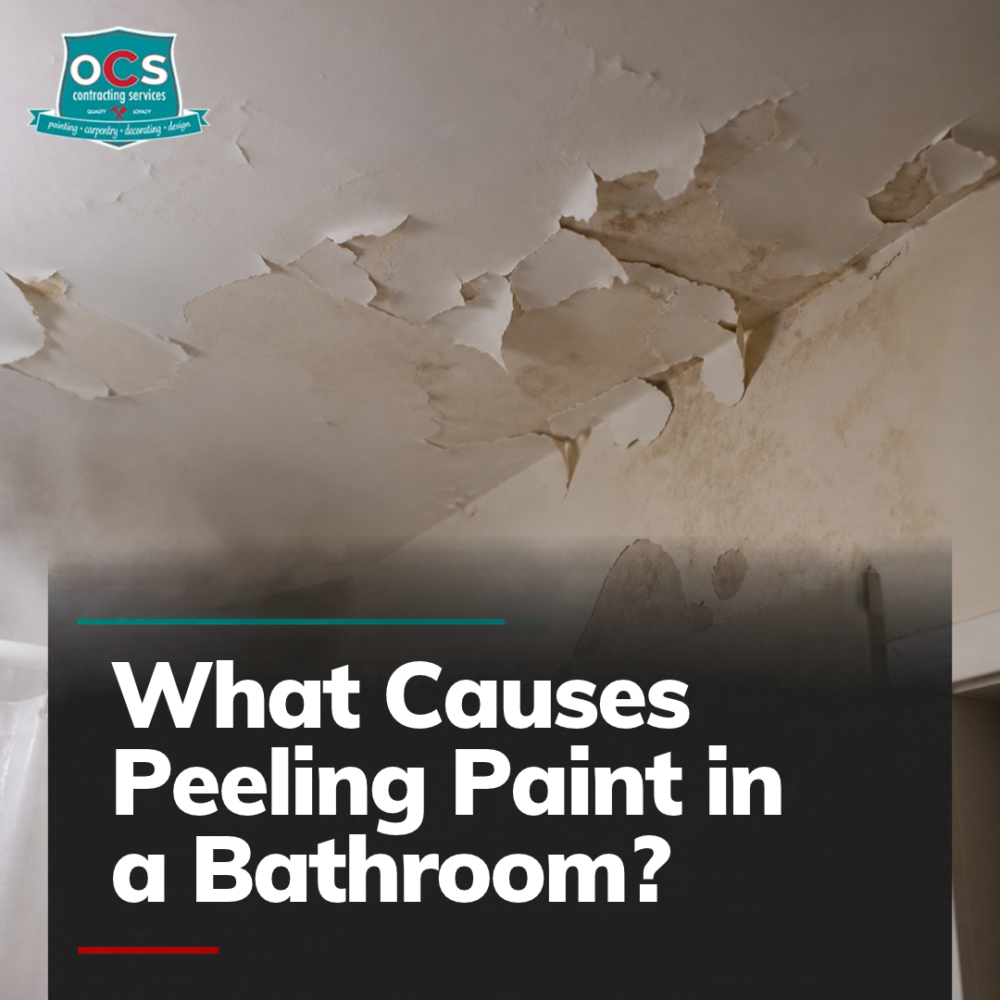
Peeling paint in a bathroom usually starts when moisture gets between the paint and the surface underneath it. Poor ventilation, condensation, weak surface preparation, damaged drywall, and an unsuitable coating can all contribute. Once the bond begins to fail, the paint may bubble, crack, curl at the edges, or come off in sheets.
Milwaukee bathrooms can be especially hard on painted surfaces during colder months. A hot shower adds moisture to the air, while walls, ceilings, windows, and other surfaces may be much cooler. That temperature difference can lead to condensation, particularly in bathrooms with limited ventilation.
The important part is figuring out why the paint failed before covering it again. Fresh paint can hide the damage for a while, but it will not correct the condition that caused the peeling.
Why Does Bathroom Paint Start Peeling?
Humidity is often the first place to look. A shower can fill a bathroom with warm, damp air in a matter of minutes. If an exhaust fan cannot remove that moisture effectively, water vapor settles on cooler walls and ceilings. Repeating that cycle day after day can weaken the bond between the paint and the surface below.
You do not need to see water dripping down the wall for moisture to be a problem. A ceiling that stays damp after showers or a wall that regularly feels cool and clammy may be exposed to enough condensation to affect the coating over time.
The location of the damage can provide useful clues. Peeling directly above a tub or shower often points toward humidity. Damage concentrated around a window or exterior wall may be related to condensation on a cooler surface. A single stained or soft area can be more consistent with a leak.
That distinction matters because each problem calls for a different fix.
What Does the Location of Peeling Paint Tell You?
Where the paint is failing can sometimes tell you more than the size of the damaged area.
Bathroom ceilings are a common trouble spot because warm, moist air rises. If peeling is concentrated over the shower or high on the walls, poor ventilation and repeated condensation are reasonable places to investigate.
Damage near an exterior wall can develop differently. During a Milwaukee winter, that wall may stay colder than interior walls. Warm bathroom air meeting that colder surface can create condensation even when the rest of the room appears dry.
Peeling around a specific plumbing fixture, isolated ceiling stain, or soft section of drywall deserves closer attention. Those signs may point to water coming from somewhere other than normal bathroom humidity.
Before repainting, look at the pattern instead of treating every damaged area the same way.
Surface Preparation Matters More Than Most People Realize
Bathrooms collect more than moisture. Soap residue, hairspray, cleaners, dust, and other products can remain on painted surfaces. If a wall is painted without removing residue or preparing an older glossy coating, the new paint may not develop a strong bond.
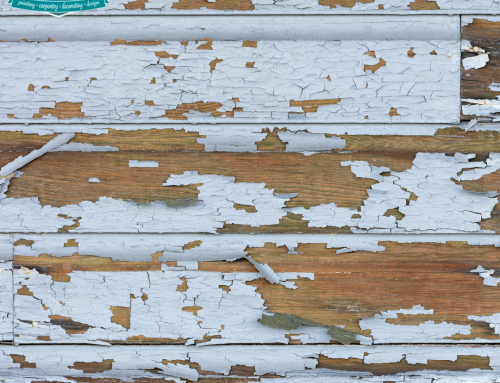
Previous paint layers matter too. A fresh coat applied over loose or poorly bonded paint is only as stable as the coating underneath it. If that older layer begins to lift, the new paint comes with it.
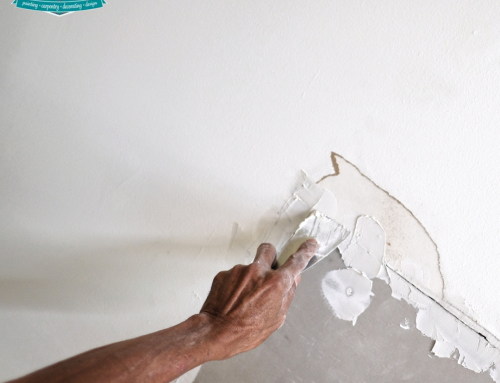
Wall condition can create another problem. Cracked joint compound, uneven patches, water-damaged drywall, or old repairs should be dealt with before the finish coats go on.
OCS Contracting Services includes surface preparation as part of its interior painting work throughout the Milwaukee area. Looking closely at the existing wall or ceiling first can make the difference between repainting the room and simply covering a problem temporarily.
Could the Paint Itself Be Part of the Problem?
The coating needs to fit the room and the surface underneath it.
Bathrooms regularly deal with humidity, cleaning, and changes in temperature. Those conditions make product selection more important than it might be in a low-traffic bedroom or office.
The finish alone does not determine whether a paint job will last. Primer selection, surface preparation, previous coatings, drying conditions, and the condition of the drywall all affect adhesion.
OCS Contracting Services uses quality paint products for interior projects and handles walls, ceilings, trim, surface preparation, and other interior finishes. That broader view matters in a bathroom because the visible paint failure may begin with something underneath the finish coat.
Changing paint products without addressing that issue may lead to the same peeling later.
Why Is My Bathroom Ceiling Paint Peeling?
Bathroom ceiling paint often peels because the ceiling receives some of the highest moisture exposure in the room. Warm air rises during a shower and carries water vapor with it. If the ceiling stays cool, condensation can develop there. Over time, repeated wetting and drying can weaken paint adhesion.
A peeling ceiling is not automatically a ventilation problem, though. Plumbing above the bathroom, roof leaks, or past water damage can produce similar symptoms. Pay attention to what accompanies the peeling. Brown or yellow staining, soft drywall, sagging, recurring bubbles, or damage in one sharply defined area can indicate a water problem that should be investigated before painting.
OCS has completed projects involving damaged drywall, ceiling repairs, and interior painting. Examples of that work can be found in our recent projects.
How Can You Tell If Bathroom Humidity Is Too High?
Your bathroom often gives you clues after a shower. A mirror that stays fogged for a long time, damp walls, condensation on windows, or a room that remains humid well after the shower has ended can indicate that moisture is leaving too slowly.
The U.S. Environmental Protection Agency recommends using bathroom exhaust fans to move moisture outside rather than into an attic or another enclosed area. Its moisture guidance also recommends exhaust ventilation as one way to control moisture in a home.
An exhaust fan making noise does not necessarily mean the room is being ventilated effectively. Airflow, ducting, and where the fan vents all matter.
If bathroom paint keeps failing in the same location, checking the moisture conditions before repainting can save another round of scraping and painting later.
Should You Paint Over Peeling Paint?
Painting directly over loose paint is rarely a lasting solution. The unstable material needs to be removed until the remaining coating is sound. From there, the surface may need cleaning, patching, sanding, drywall work, or primer before new paint is applied.
Any active source of water should be dealt with first. Otherwise, the new coating is being applied under essentially the same conditions that caused the previous one to fail.
There is an important difference between a worn paint film and damaged drywall. If the wall underneath is firm and dry, the work may center on preparing and repainting the surface. If the drywall is soft, swollen, stained, or deteriorating, the substrate itself may need attention.
That is why a bathroom repaint should begin with an inspection of the existing surface rather than a color selection.
When Does Peeling Paint Point to a Larger Moisture Problem?
Paint that fails repeatedly in the same place deserves more investigation. Watch for recurring bubbles, water stains, soft drywall, discoloration, musty odors, or damage that returns soon after repainting. Those symptoms can indicate that moisture is reaching the wall or ceiling from somewhere beyond normal bathroom use.
The timing can be useful too. If the problem becomes more noticeable after showers, humidity and ventilation move higher on the list of possible causes. If damage appears regardless of bathroom use, or gets worse after rain or when plumbing fixtures are used, another moisture source may be involved.
Paint failure is sometimes the symptom rather than the main problem. Finding the source first gives the next paint job a much better chance of holding up.
Stop Peeling Paint From Becoming a Repeat Problem
Peeling paint in a bathroom is usually connected to moisture, surface preparation, damaged drywall, coating compatibility, or several of those conditions working together. The pattern and location of the peeling can help narrow down what is happening before another coat of paint goes on.
That matters in Milwaukee homes, where cold exterior surfaces and warm bathroom humidity can create challenging conditions during part of the year. A lasting repaint starts with a dry, stable, properly prepared surface.
OCS Contracting Services provides residential and commercial interior painting throughout the Milwaukee area, including surface preparation, walls, ceilings, and related drywall work. If your bathroom walls or ceiling need more than another coat of paint, contact OCS to request an estimate.